
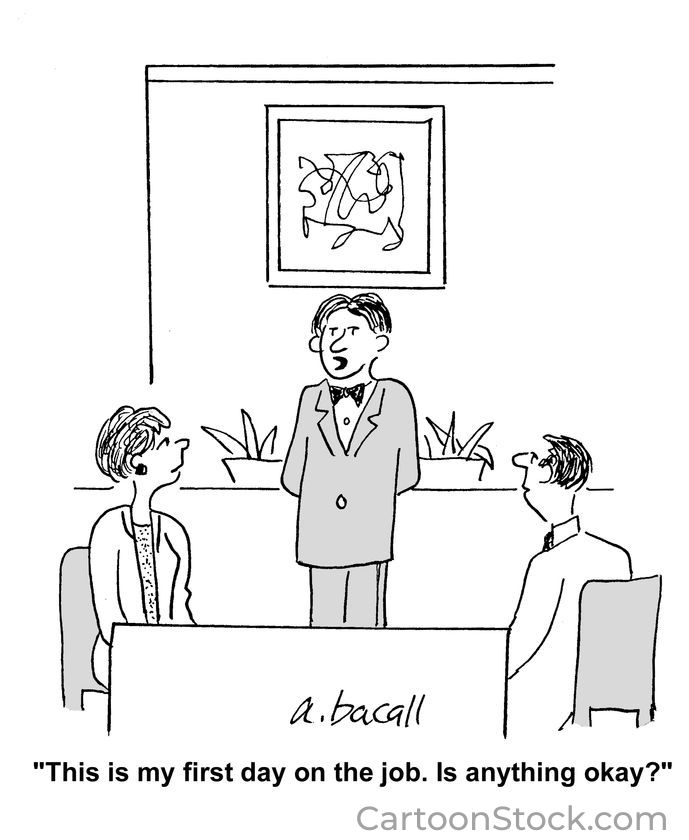
You’ve just hired a new employee and it’s their first day. Are you prepared? Let me tell you how it usually goes. A team member is told when their first shift is and they show up to their designated work area—dazed and confused. As their blood pressure rises from anxiety, they introduce themselves to another hourly employee who is surprised the new hire is here. The employee is then thrown into the deep end with little information and set up to fail.
Here is how it should go:
Set the Stage Before They Arrive
When an employee arrives on the job site for the first time, they should be warmly welcomed by whoever hired them or at the very least someone else in leadership who can fill in. The team should be aware of the new hire’s arrival well in advance. I like to announce it on the upcoming schedule. Bonus points if you reach out to the new hire a few days before they start, ask them a few questions (Where are you from? What’s your favorite hobby? What’s your go-to karaoke song?), and share a short bio with the team. This helps break the ice before they even walk in the door.
Their First Day
For the new hire, the first day should be fun! Not overwhelming, not stressful, not sink-or-swim. Fun. That means a manageable pace, friendly faces, and a sense that they’re joining a team that cares about their success.
When the employee arrives, have everything ready for them. Uniform, desk, onboarding schedule, etc. Schedule time to tour the employee around the work area, introduce them to the staff and make them feel welcome. The team member knows nothing and likely has tons of questions. Where do you park, where is the restroom, how does the employee cafeteria work? It’s good to have a list of things to review on the first day.
During that first day, define expectations and ensure they understand the importance and purpose of their job.
The First Week and Beyond
What tools do they need for their training? Who are they reporting to? If you are delegating the training to another team member, ensure they are equipped to do the training. I recommend providing a schedule of at least the first week with specific areas of focus for each day and who is doing the specific training. For example, a new housekeeper may spend one day learning the role of public space attendant. If the trainer is the current PA attendant or a supervisor, they should be informed in advance of the training so they can prepare accordingly When the new hire begins their day, they should have an expectation of what they are learning and who they are learning it from.
Leaders should provide supportive material such as a formal training manual or a certification checklist that includes everything an employee should learn to be on the job on their own. Here’s an example of what a training certification sheet looks like.
Check in with the employee throughout the first week. Ask how things are going—and don’t just assess comprehension. Ask how they feel. Do they feel supported? Are they enjoying their work? Do they have the tools they need for success? These emotional check-ins matter just as much as technical ones.
Continue these check-ins at 30, 60, and 90 days. I recommend setting up calendar reminders for each benchmark the day you hire them—that way you won’t forget.
When it comes to leading your teams, you can never go wrong with the following: Hire Right, Train Right, Treat Them Right.
And that’s the complete hiring journey—from the first application question to the 90-day check-in. Get these fundamentals right, and you’ll build a team that doesn’t just show up to work, but actually wants to be there.
Leave a Reply